Dental care is a critical aspect of overall health, and it's essential to understand treatment options. One common question patients ask is, "why are dental implants so expensive compared to bridges?" The answer lies in various factors that influence cost and effectiveness.
Dental implants are crafted from high-quality materials. They require surgical procedures and a longer healing process. This complexity often results in higher expenses. In contrast, bridges involve less invasive methods and are usually quicker to place. However, their longevity can be compromised.
Many patients consider the long-term value of their investment. While bridges may seem cheaper upfront, they might require frequent replacements. Dental implants, on the other hand, typically last much longer with proper care. This consideration can significantly impact overall costs. Understanding these factors can help patients make informed decisions about their dental care.
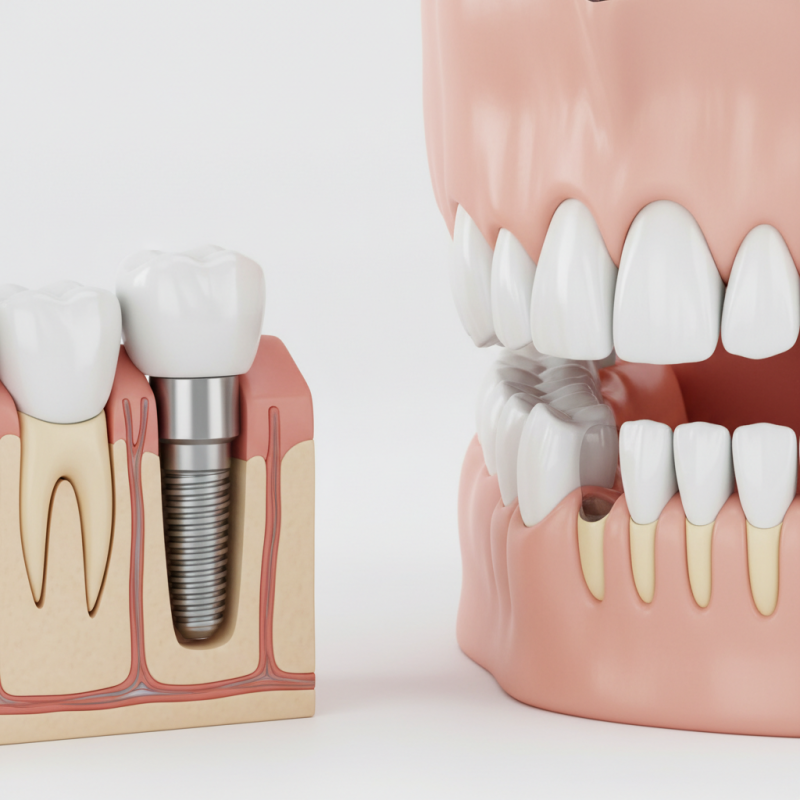
Factors Contributing to the Cost of Dental Implants
Dental implants often carry a higher price than bridges due to multiple factors that contribute to their cost. Firstly, the materials used in implants are typically more advanced.
Titanium is a common choice due to its biocompatibility. This material supports osseointegration, a process where the bone grows around the implant. Research indicates that this process improves success rates to over over 95% for implants, unlike traditional bridges, which may not offer such longevity or durability.
The procedure for placing dental implants is more complex. It involves surgery, which requires anesthesia and often advanced imaging techniques. A report from the American Academy of Implant Dentistry estimates that a dental implant procedure can cost between $3,000 to $4,500, depending on the complexity. In contrast, a dental bridge may cost around $2,000 to $5,000, but it may need replacement every 5 to 10 years. Additionally, follow-up visits and potential bone grafting add to the overall cost of implants, raising concerns about affordability and accessibility for some patients.
Lastly, there’s the expertise factor to consider. Dental implantology requires special training. A dentist with extensive implant experience is likely to charge more. Data indicates that patients with higher levels of education are more aware of the long-term benefits of implants, influencing their willingness to invest in this option over cheaper alternatives. While bridges serve their purpose, many are reevaluating the long-term value of implants, despite their upfront costs.
Comparison of Materials Used in Implants vs. Bridges
When comparing dental implants and bridges, it's crucial to examine the materials used. Dental implants typically consist of titanium, which is strong and biocompatible. This property allows implants to fuse with the jawbone. This integration process enhances stability and longevity. Bone grafting may also be required, adding further complexity.
In contrast, bridges use a variety of materials, including porcelain and metal alloys. These materials provide a good aesthetic appeal, but they lack the durability of titanium. Bridges rely on adjacent teeth for support. This can lead to wear and potential damage to these teeth over time. While bridges are less invasive, they may require replacements sooner than implants.
Cost differences arise from these material choices and the surgical processes involved. Implants demand higher precision in installation and a longer healing time. Meanwhile, bridges serve as a quicker solution but may incur future costs for replacements. The complexity of each option reflects not just aesthetic needs, but also long-term health considerations. Emotional aspects, like reassurance from permanent solutions, add a layer of importance to the decision-making process.
Why Are Dental Implants More Expensive Than Bridges? - Comparison of Materials Used in Implants vs. Bridges
| Feature |
Dental Implants |
Dental Bridges |
| Material Used |
Titanium (or zirconia) for the post; porcelain for the crown |
Porcelain, metal alloys, or composite resin |
| Durability |
10-15 years or more depending on care |
5-10 years on average |
| Surgical Procedure |
Invasive; requires surgery to place |
Non-invasive; can be done in a single appointment |
| Cost Range |
$3,000 - $4,500 per implant |
$1,500 - $2,500 per bridge |
| Bone Integration |
Requires healthy bone; osseointegration |
Does not require integration with bone |
| Impact on Adjacent Teeth |
Does not affect nearby teeth |
May require alteration of adjacent teeth |
Surgical Procedures and Complexity Involved in Implants
Dental implants require intricate surgical procedures, making them more expensive than bridges. The process involves several steps, including bone grafting, implant placement, and healing time. Each of these phases demands expert skills and precise techniques. The complexity increases when there’s insufficient bone structure. Surgeons often need to add bone to support the implant. This not only lengthens the treatment duration but also raises the costs.
Tip: Always consult with a dental professional before deciding on your procedure. They can assess your unique needs and guide you on what’s necessary.
Another factor is the materials used. Dental implants are crafted from high-quality materials like titanium. These materials are designed for long-term durability and integration with your jawbone. In contrast, bridges typically rely on dental crowns, which don’t have the same level of complexity. The investment in implants reflects the advanced technology and specialized care involved.
Tip: Research multiple dental professionals to find competitive pricing and the right expertise for your needs. It's essential to choose a provider who values quality and patient care.
Patients may feel overwhelmed by the costs upfront. However, implants can offer a longer lifespan and better oral health in the long run. Reflect on your priorities and consider the future implications of your dental choices.
Cost Comparison of Dental Implants vs. Bridges
Longevity and Maintenance Costs of Dental Implants vs. Bridges
When considering dental options, longevity plays a crucial role. Dental implants can last over 25 years with proper care, while traditional bridges typically last 5 to 15 years. A study published in the Journal of Prosthetic Dentistry highlights that the survival rate of implants is around 95% after ten years. This contrasts starkly with the average lifespan of bridges.
Maintenance costs further influence the overall investment. Implants require regular check-ups and occasional adjustments, estimated to be around $200 annually. Bridges, however, may incur costs related to replacement and additional procedures, which can accumulate to $2,000 or more over time. Research indicates that one-third of patients with bridges will need replacements within a decade, adding to the financial burden.
Choosing between these two options demands a deeper evaluation of long-term implications. While implants may have a higher initial cost, their longevity and lower maintenance costs could offer greater savings in the long run. This reflects a need for patients to weigh immediate affordability against future expenses, often overlooked in discussions.
Insurance Coverage and Payment Options for Implants and Bridges
When considering dental restoration, dental implants often come with a higher price tag compared to bridges. This difference is largely influenced by several factors, including materials, procedures, and longevity.
Typically, implants can range from $3,000 to $4,500 per tooth, while bridges average between $500 and $1,500. The advanced technology and surgical expertise required for implants contribute to their elevated cost.
Insurance coverage for these options can also vary significantly. Many dental plans cover a portion of bridge expenses. However, implants are frequently viewed as elective, leading to limited coverage. According to the American Dental Association, only about 15% of dental insurance plans cover implants. This statistic underlines the financial burden many patients face.
For those seeking ways to manage the costs, there are several payment options available. Many clinics offer financing plans that allow spread-out payments. Some even provide membership plans that could reduce out-of-pocket expenses. Patients must carefully explore these choices. Not all plans fully cover necessary treatments, leading to potential surprises later. It’s vital to read the fine print and consult with dental professionals beforehand.
Conclusion
Dental implants are widely regarded as a superior option for tooth replacement; however, many patients find themselves questioning, "why are dental implants so expensive compared to bridges?" Several factors contribute to the higher cost of implants. First, the materials used in implants are typically more advanced and durable than those used in traditional dental bridges, requiring a greater investment. Additionally, the surgical procedures involved in placing dental implants are more complex, often necessitating specialized skills and more time in the dental office.
Furthermore, while bridges may involve lower initial costs, the longevity and maintenance of dental implants often turn out to be more cost-effective in the long run, as they tend to last significantly longer than bridges. However, insurance coverage for dental implants is frequently limited, which can impact overall affordability. Ultimately, understanding these factors helps clarify the pricing difference and provides insight into the value of choosing dental implants over bridges for permanent tooth replacement solutions.

 ROA Medicare