How to Set Up a Hygienic Home Recovery Room?

Time:2026-09-13 Author:Mason
0%

Recovering at home can feel comforting, but comfort alone does not create a safe care environment. This guide explains how to set up a hygienic home care room for recovery, using practical infection-control principles and realistic daily routines. The room should support rest, safe movement, personal care, and easy observation.

Florence Nightingale wrote, “The connection between health and the dwellings of the population is one of the most important that exists.” Her insight remains relevant today. Clean air, controlled clutter, fresh linens, and reliable hand hygiene can reduce avoidable risks. Keep frequently touched surfaces visible and reachable, including bed rails, light switches, door handles, and bedside tables. Place hand sanitizer near the entrance and washing supplies beside the bed. Use a covered waste container, but empty it regularly. Small details matter.

A hygienic room should also be practical for the caregiver. Store clean supplies separately from used towels, dressings, or clothing. Improve ventilation when appropriate, while avoiding strong drafts. Follow the patient’s clinician’s instructions for wound care, equipment cleaning, and laundry. Do not assume that strong-smelling chemicals mean better cleaning. That assumption deserves reconsideration. Some products can irritate breathing or skin.

The plan may not be perfect on the first day. Observe what becomes difficult. Adjust the layout carefully. A clear walking path, adequate lighting, and a stable chair may prevent more trouble than extra decoration. Above all, hygiene should be consistent, visible, and manageable for everyone involved.
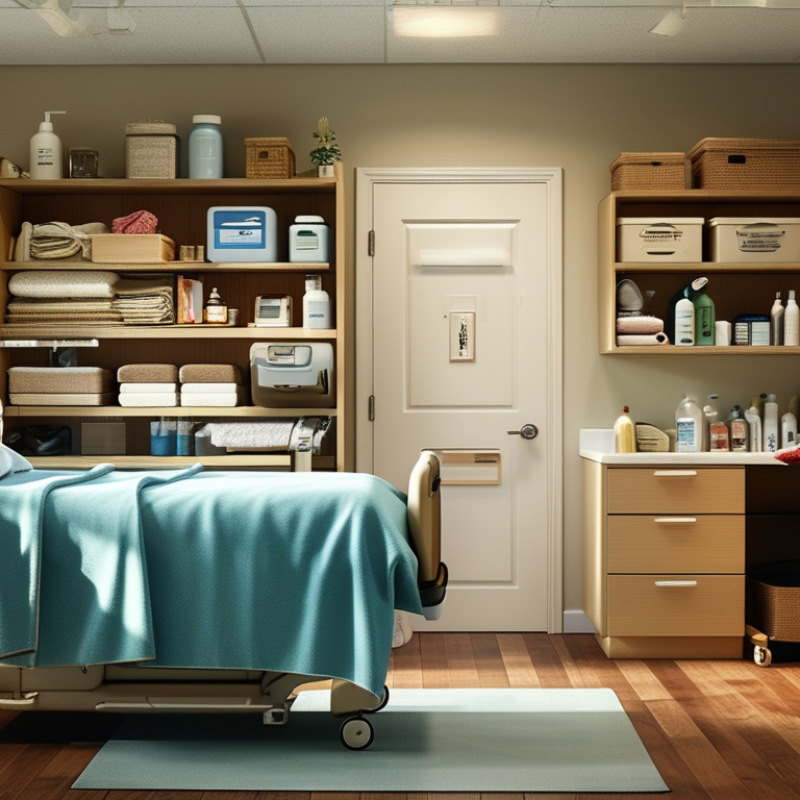
How to Set Up a Hygienic Home Recovery Room?

Assess the Recovery Room’s Health and Safety Needs

Assessing a recovery room begins with the person, not the furniture. Ask what assistance they need to sit, stand, wash, eat, and reach the bathroom. A walker may require more floor space than expected. Keep pathways wide, dry, and free from loose rugs or trailing cables. Place a stable chair beside the bed, with a phone and prescribed medicines within easy reach. Do not guess about medication timing; confirm instructions with a qualified healthcare professional.

Air quality and cleanliness also deserve close attention. Open windows only when outdoor conditions are suitable. Avoid strong fragrances, smoke, and unnecessary dust. Clean frequently touched surfaces, such as bed rails, handles, switches, and remote controls. Use separate cloths for the bathroom and sleeping area. Wash hands before wound care, and follow the care team’s instructions exactly. A covered waste bin should be emptied regularly, especially when dressings are discarded.

Check lighting during the evening, not only in daylight. A dim route to the bathroom can turn a safe room into a fall hazard. Keep emergency contacts visible, but protect personal information from casual visitors. My first room assessment overlooked the noise from a nearby appliance, which disturbed sleep and increased fatigue. Recovery needs can change each day, so reassess pain, mobility, breathing comfort, temperature, and alertness. If symptoms worsen or seem unusual, contact the appropriate medical service promptly.

Choose a Suitable Room and Prepare Its Layout

Choose a room close to a bathroom, but avoid placing the bed directly beside the toilet. Easy access reduces unnecessary walking during recovery. A room with a window can provide fresh air and daylight. However, keep the bed away from cold drafts and direct sunlight.

Place the bed where caregivers can reach both sides safely. Leave enough space for walking, changing bedding, and assisting the person. Remove loose rugs, extra chairs, and decorative clutter. Use a firm, washable mattress cover and cleanable surfaces near the bed. Keep frequently used items within reach, including water, tissues, prescribed medicines, and a phone.

Hand hygiene matters.

Set up a small hand-cleaning station near the entrance, with soap and disposable towels. Store clean linens in a closed cabinet, separate from used laundry. A lined waste container should sit nearby, but not touch the bed. Good lighting helps with medication checks and nighttime movement. Soft lighting is useful after dark. I once made a recovery space look tidy but left a narrow path beside the bed. It seemed acceptable until assistance was needed. Recheck the layout from the patient’s viewpoint. Ask whether they can stand, turn, and call for help without stretching. Ventilation, temperature, and infection-control needs can differ after surgery, so confirm specific instructions with a qualified healthcare professional.

Clean and Disinfect All Surfaces and Equipment

How to Set Up a Hygienic Home Recovery Room?

A recovery room should feel calm, but cleanliness needs a clear routine. Start by opening a window, when safe, and removing clutter from bedside tables. Wash your hands before handling supplies or touching medical equipment.

Clean visible dirt first with detergent and water. Then apply a suitable disinfectant according to its label. Never mix cleaning chemicals. The United States Environmental Protection Agency advises following the stated contact time, because a wet surface may need several minutes to disinfect properly.

Wipe door handles, light switches, bed rails, remote controls, phones, and bathroom fixtures every day. Do not forget the floor near the bed.

The Centers for Disease Control and Prevention reported that about one in 31 hospital patients had a healthcare-associated infection on any given day in 2023.

A home room is different, yet contaminated high-touch surfaces can still transfer germs between hands, equipment, and wounds. Use separate cloths for the bathroom and recovery area. Launder reusable fabrics with warm water and dry them completely.

Clean thermometers, mobility aids, and other equipment after each use, following the manufacturer’s care instructions. I still miss a light switch sometimes. That is a useful warning.

A written checklist beside the door can reduce memory errors. Keep clean items covered and store waste in a lined, closed container.

If a disinfectant causes breathing irritation, stop using it, ventilate the room, and seek professional advice.

Organize Medical Supplies, Personal Items, and Waste

How to Set Up a Hygienic Home Recovery Room

A recovery room should feel calm, clean, and easy to manage. Place medical supplies on a dry, wipeable surface near the bed. Keep clean items in closed containers, away from shoes, pets, and used tissues. Separate daily medicines from wound-care materials, and check expiry dates regularly. I once stored everything together, which seemed convenient but caused confusion during a tiring night. Clear labels matter.

Personal items need their own space. Keep water, tissues, a phone, clean clothing, and prescribed instructions within reach. Use separate bags for clean and used clothing. A small laundry basket with a washable liner can prevent accidental mixing. Clean high-touch surfaces daily, especially bed rails, door handles, and switches. Follow the healthcare professional’s instructions for dressings, equipment, and hand hygiene. Advice can differ by condition, so avoid guessing.

Tips: Use a simple three-zone system: clean supplies, personal items, and waste. Empty general waste regularly, but handle dressings or body-fluid materials according to clinical guidance. Place sharps only in an approved puncture-resistant container, never in loose household rubbish. Keep the container upright and inaccessible to children. I sometimes over-organize rooms, yet a crowded table can become unhygienic. Leave enough space to clean around every item. Review the setup each evening and adjust it when the patient’s needs change.

Example seven-day planning quantities for a hygienic home recovery room. Keep clean supplies separate from personal items, place waste containers near the care area, and follow the product label or healthcare professional’s instructions for replacement and disposal.

Maintain Hygiene Routines and Monitor the Room Daily

A hygienic home recovery room needs a repeatable daily routine, not occasional deep cleaning. Keep a small checklist beside the door. Record ventilation, visible dust, waste removal, and frequently touched surfaces. I check the bed rail, door handle, light switch, phone, and bathroom fixture every morning. I sometimes miss the remote control, so my checklist now includes it.

Wash hands with soap and clean water for at least 20 seconds before and after patient care. The U.S. Centers for Disease Control and Prevention reports that proper handwashing can reduce respiratory illnesses by 16–21%. Keep disposable tissues, a lined waste bin, and clean towels within easy reach. Do not reuse damp cloths between surfaces. Use separate cloths for the bathroom and sleeping area, then launder them thoroughly.

Monitor the room daily for changes that may affect recovery. Note unusual odors, condensation, mold-like spots, excessive heat, or poor airflow. Keep the patient’s dressing supplies sealed and check expiry dates weekly. A cleaning record can also help caregivers notice missed tasks or worsening symptoms. Follow the clinician’s instructions for wound care, isolation, and equipment cleaning. If fever, breathing difficulty, confusion, or unexpected drainage appears, contact a qualified healthcare professional promptly. The World Health Organization’s hand-hygiene guidance emphasizes correct timing and technique; a rushed wash is still a weak point.

FAQS

How should a recovery room be arranged for safer movement?

Ask what help the person needs for sitting, standing, washing, eating, and bathroom access. Leave wide, dry pathways. Keep rugs and trailing cables away. A walker may need more space than expected.

What should stay beside the bed?

Place a stable chair beside the bed. Keep a phone and prescribed medicines within easy reach. Do not guess medication times. Confirm instructions with a qualified healthcare professional.

How can air quality support recovery?

Open windows only when outdoor conditions are suitable. Avoid smoke, strong fragrances, and unnecessary dust. Fresh air helps. Stop using any cleaner that irritates breathing, ventilate the room, and seek professional advice.

Which surfaces need regular cleaning?

Wipe bed rails, handles, switches, remote controls, phones, and bathroom fixtures daily. Clean visible dirt with detergent and water before applying a suitable disinfectant. Follow the product’s contact time.

How should cleaning cloths and equipment be managed?

Use separate cloths for the bathroom and sleeping area. Launder reusable fabrics and dry them completely. Clean thermometers and mobility aids after each use, following their care instructions. I still miss a light switch sometimes.

How should waste and wound-care supplies be handled?

Wash your hands before wound care or touching medical equipment. Use a lined, covered waste bin. Empty it regularly, especially after discarding dressings. Small oversights matter.

How can lighting reduce fall risks at night?

Check lighting during the evening, not only during daylight. Illuminate the route to the bathroom clearly. A dim hallway can become hazardous. Keep floors near the bed clear and dry.

When should the room’s setup be reassessed?

Recheck pain, mobility, breathing comfort, temperature, and alertness each day. Recovery needs can change quickly. If symptoms worsen or seem unusual, contact the appropriate medical service promptly. The room may look fine. The person may not feel fine.

Conclusion

Creating a safe recovery space at home begins with assessing the individual’s health needs, mobility, privacy, and access to essential care. To understand how to set up a hygienic home care room for recovery, choose a quiet, well-ventilated room with enough space for safe movement and assistance. Arrange the bed, seating, lighting, and frequently used items so they are easy to reach while keeping pathways clear. Clean and disinfect high-touch surfaces, assistive equipment, and other shared items regularly, following suitable product instructions.

Keep medical supplies, personal belongings, and waste containers organized in separate, clearly defined areas. Store clean supplies away from moisture and contamination, and remove waste promptly and safely. A daily hygiene routine should include checking ventilation, laundering linens, cleaning surfaces, replenishing supplies, and observing any changes in the room’s condition. Regular monitoring helps maintain comfort, reduce infection risks, and support a smoother, safer recovery at home.

Mason

Mason

Mason is a seasoned marketing professional with a deep expertise in the company's offerings and a passion for driving brand awareness. With a strong background in digital marketing strategies, he has an innate ability to connect with diverse audiences and effectively communicate product benefits.......