ROA Medicare
1 / 5
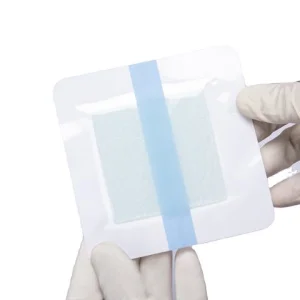
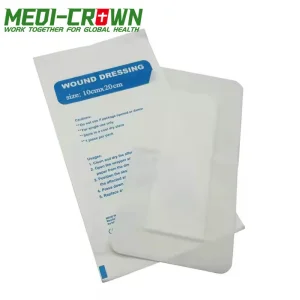
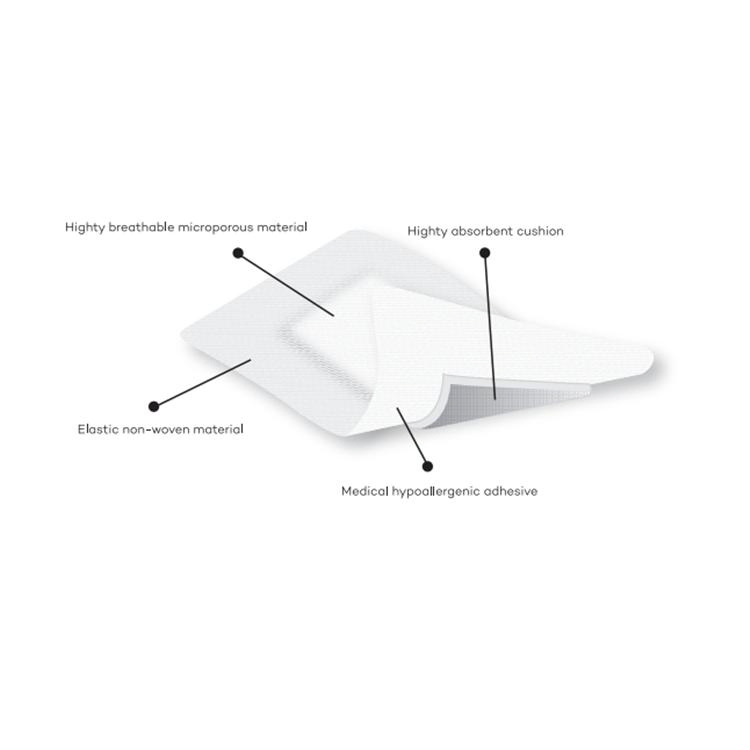
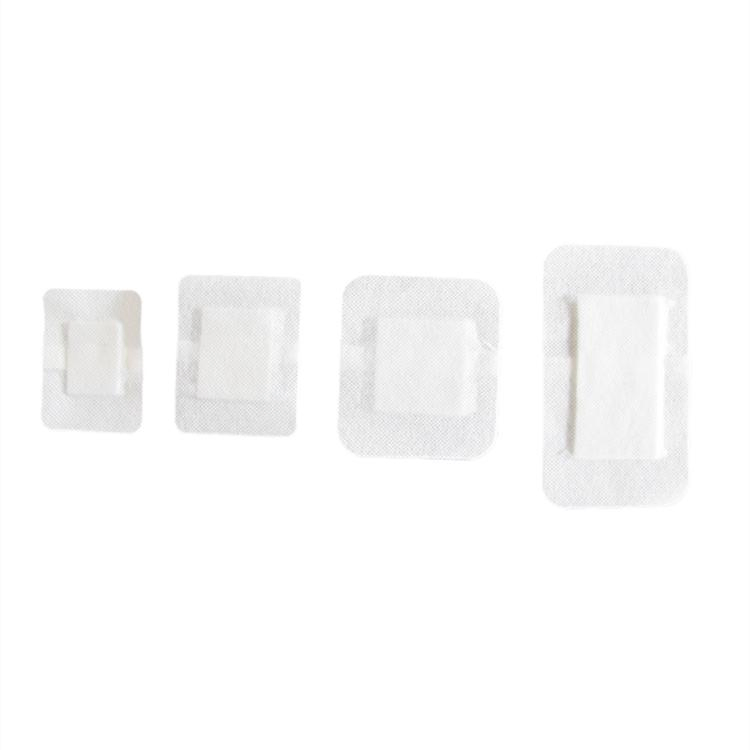
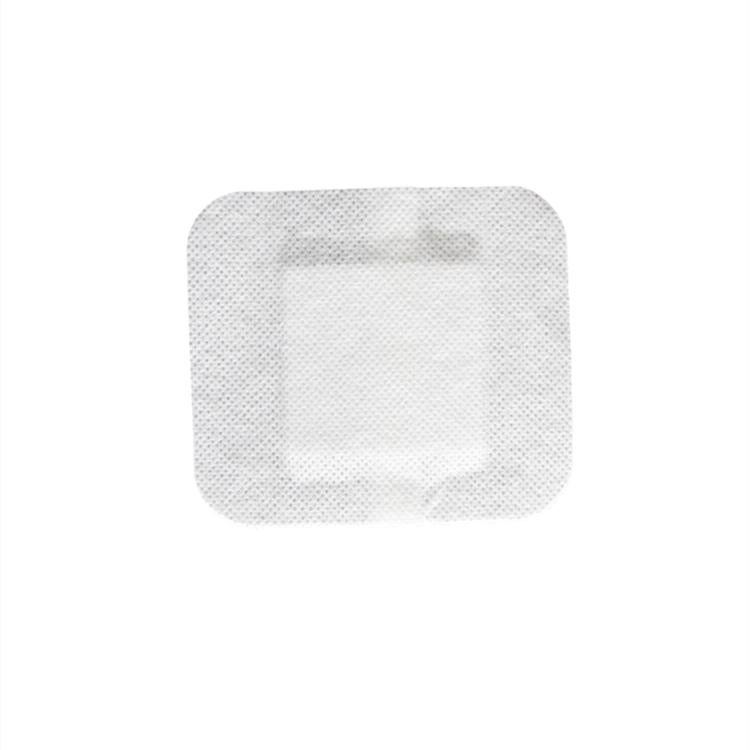
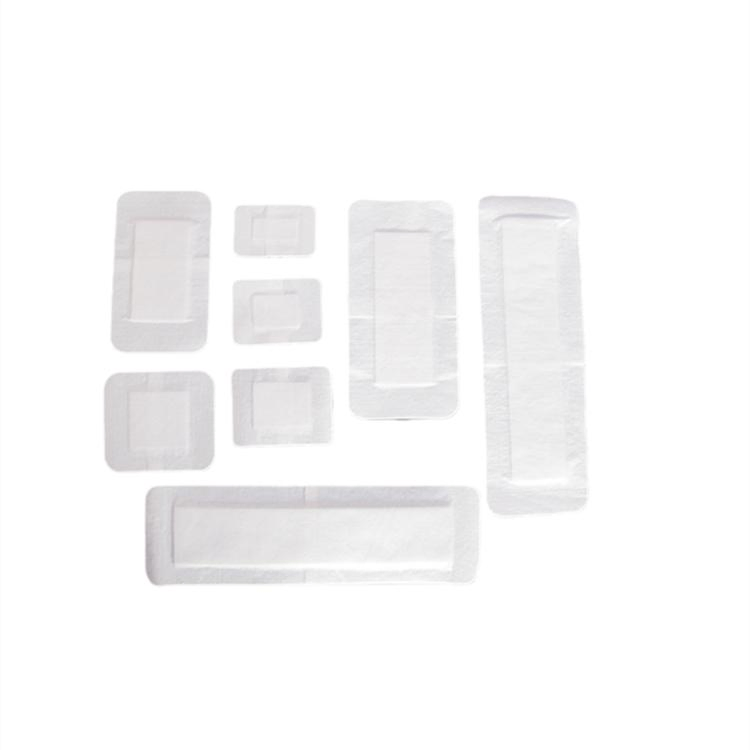
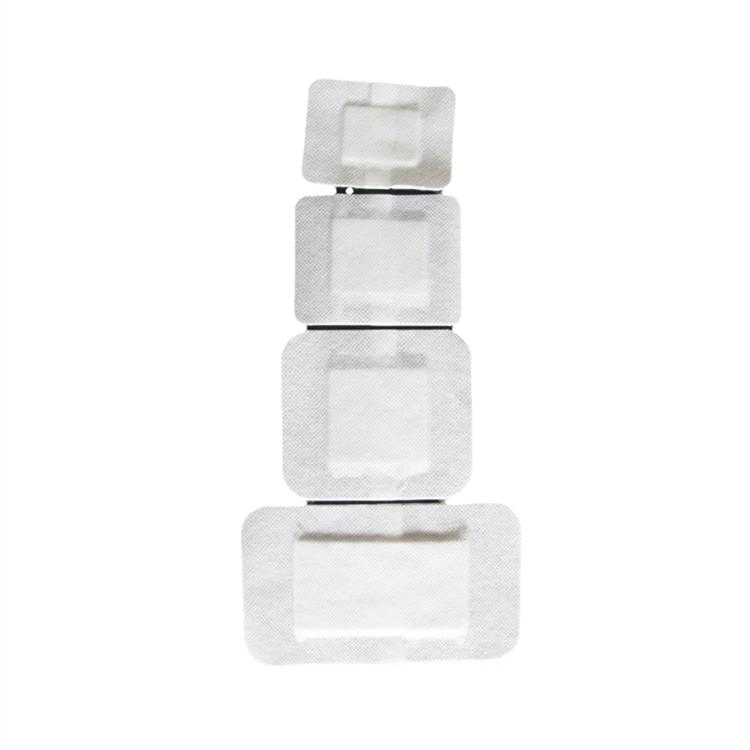
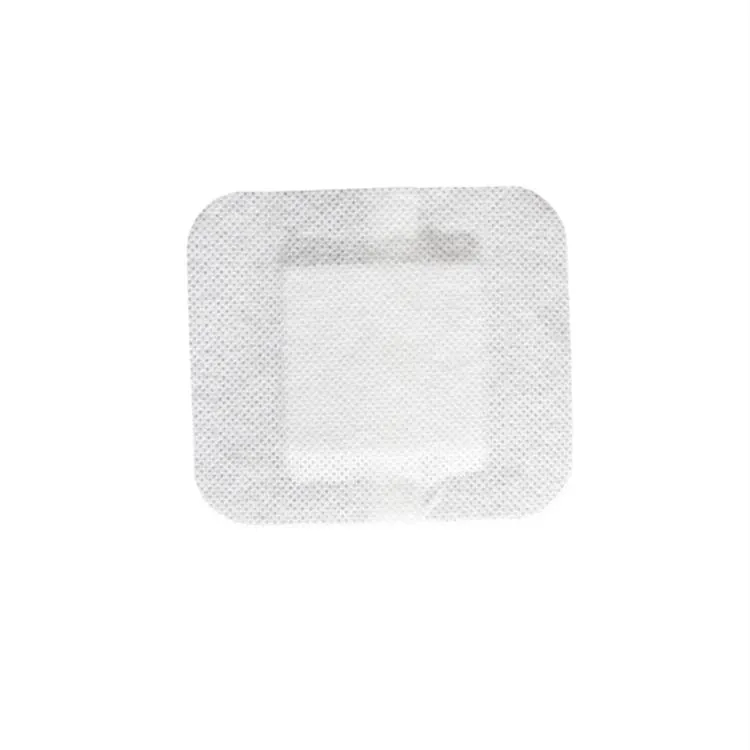
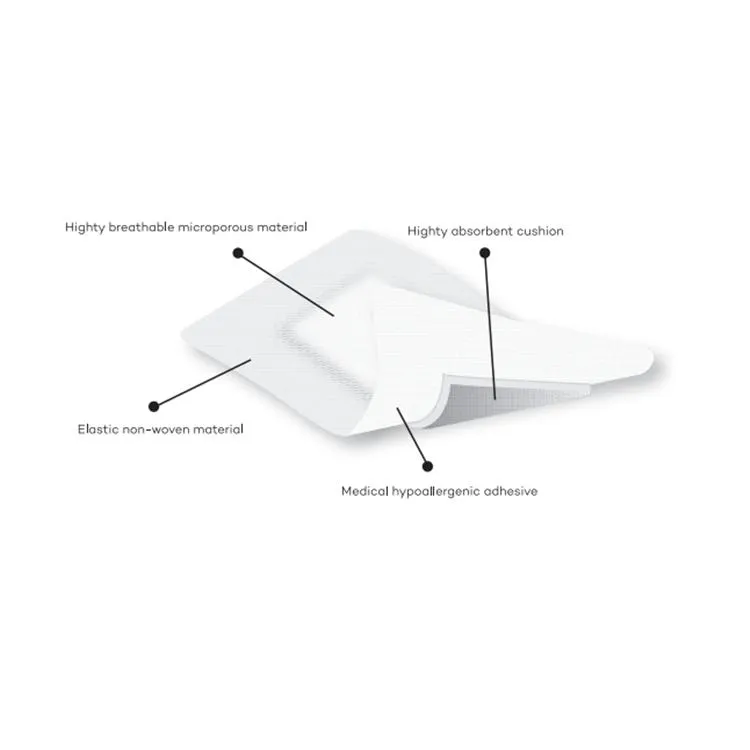
Non-woven fabric dressings are versatile and commonly used in wound care. They are made from synthetic fibers bonded together through mechanical, chemical, or thermal processes, rather than being woven. This construction ensures a soft, lint-free surface that is gentle on healing tissues.
| Feature/Category | Description |
|---|---|
| Primary Material | Synthetic fibers (e.g., polyester, rayon, polypropylene) bonded to form a porous fabric. |
| Main Function | To provide a versatile, cost-effective primary wound contact layer for absorbing exudate and protecting the wound. |
| Key Characteristics |
• Soft and Lint-Free • Highly Absorbent • Permeable to air and moisture vapor • Low to Non-Adherent • Conformable and flexible • Inexpensive and disposable |
| Exudate Management | Manages low to moderate exudate by absorbing fluid into the fabric and allowing evaporation. |
| Application | Ideal for primary dressing, protecting fragile skin, minor wounds, abrasions, surgical incisions, and securing secondary dressings. |
In summary, non-woven fabric dressings are a fundamental and versatile wound care solution, prized for their softness, absorbency, breathability, and cost-effectiveness for managing a wide range of low to moderately exuding wounds.
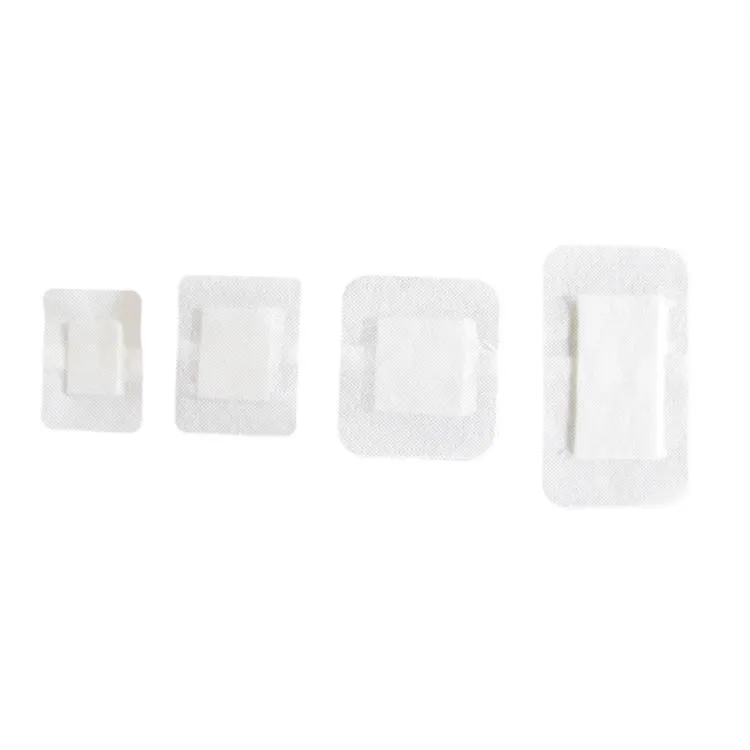




A: They are used as primary wound contact layers to protect wounds, absorb low to moderate amounts of exudate (fluid), and maintain a moist healing environment for minor wounds, surgical incisions, and abrasions.
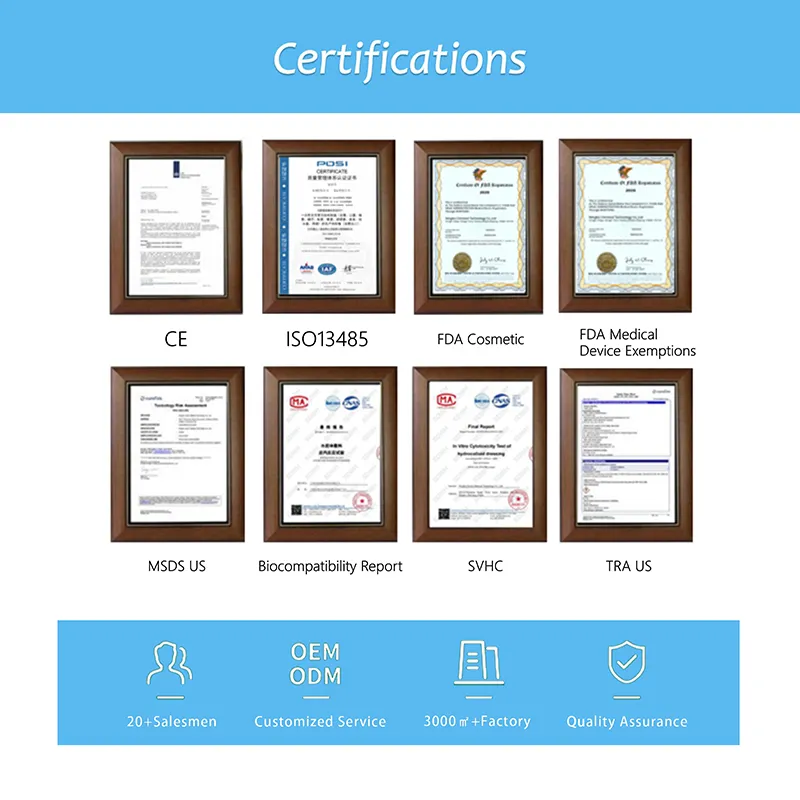
A: Yes, these dressings undergo Ethylene Oxide (EO) sterilization to ensure they are safe for direct contact with open wounds.
A: Yes, non-woven fabric is highly permeable to air and moisture vapor, which helps prevent skin maceration while protecting the wound.
A: These are best suited for low to moderate exudate. For heavily exuding wounds, they should be combined with a more absorbent secondary dressing or a specialized foam dressing.
A: Yes, the synthetic fibers are bonded to be lint-free, reducing the risk of fiber contamination in the wound bed compared to traditional woven gauze.
A: The quality guarantee period for these medical dressings is typically two years when stored in a cool, dry place.